
The Old Course Shouldn't Have to Chase the Golf Ball
Crews broke ground on the Old Course at St Andrews last November. By the time they finish, six holes will be longer, new bunkers will guard angles that didn't need guarding 20 years ago, and the championship yardage will stretch to 7,445 yards, up 132 from the 2022 Open.
Mackenzie & Ebert, the firm handling the work, call it an "enhancement and restoration." The R&A calls it keeping the Old Course "relevant." Both descriptions are accurate. Both also dodge the obvious question: why does the oldest course in golf need 132 extra yards to stay competitive?
What's actually changing
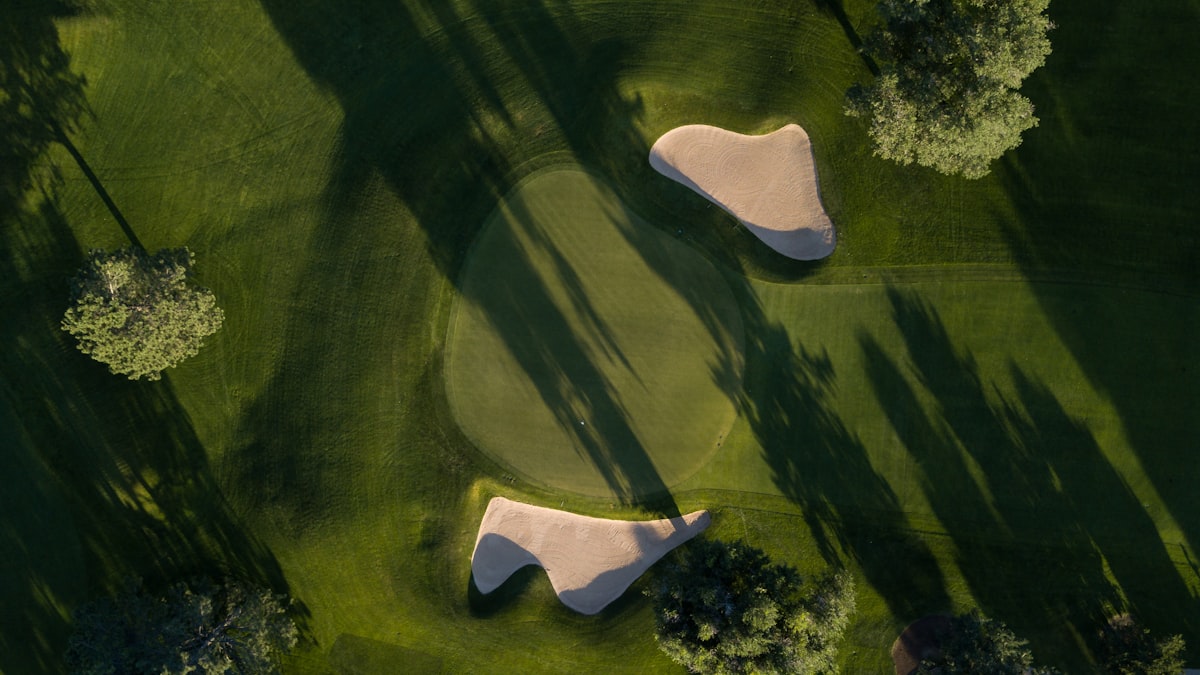
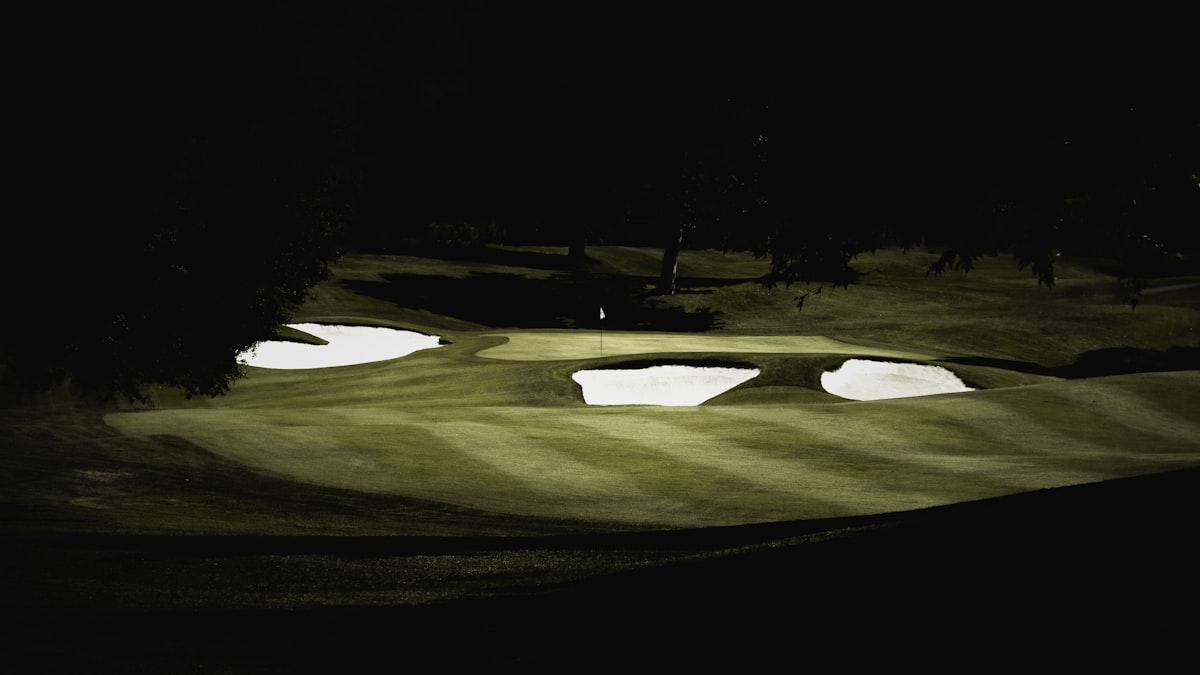
The modifications are thoughtful. On the 2nd, two bunkers that pros fly without thinking get relocated to spots where they'll actually matter. The 5th picks up 35 yards from a new back tee. The 7th gets 22 more. The 10th adds 29 yards and a new bunker placed at tour-level driving distance.
The 16th is the most interesting change. Mackenzie & Ebert are restoring a historic playing route to the left of the Principal's Nose and Deacon Sime bunkers, then adding two bunkers to protect it. This isn't just about length. It's about recovering a strategic choice that disappeared when drives started clearing hazards that once forced decisions.
The 17th, the Road Hole, gets a subtle touch: the Road Hole Bunker will be "sympathetically restored" to fix sand splash build-up. Translation: they're shaping it back to the nightmare it's supposed to be.
One hole actually gets shorter. The 12th loses a few yards. Nobody has explained why, and honestly, it's refreshing that at least one change isn't about chasing distance.
The arms race nobody's winning
Here's the part that bothers me. St Andrews has been lengthened before nearly every Open it hosts. The course played at 7,305 yards in 2015 and 7,313 in 2022. Now it'll be 7,445 in 2027. The pattern is obvious: technology pushes the ball farther, courses scramble to add yardage, and in five years we do it all again.
This isn't unique to St Andrews. Augusta National has added over 500 yards since Tiger Woods shot 270 in 1997. The USGA stretched Pinehurst No. 2 before the 2024 U.S. Open. Courses everywhere keep building new back tees like they're running on a treadmill.
The difference is that most courses have room to grow. St Andrews doesn't. The Old Course sits on a narrow strip of links land with a town on one side and the sea on the other. There's a physical limit to how many times you can push tees backwards, and that limit is approaching fast.
The rollback that almost happened
The USGA and R&A spent years studying the distance problem. In 2023, they proposed a solution: a Model Local Rule that would require shorter-flying balls in elite competition, starting in 2026. Testing parameters would cap ball performance at swing speeds of 127 mph, cutting average driving distance by about 15 yards for the longest hitters.
The golf world split. Equipment manufacturers opposed it. The PGA Tour refused to adopt it. PGA professionals from multiple countries called bifurcation, different rules for pros and amateurs, "detrimental" to the game. The proposal stalled.
So instead of a golf ball that travels 15 fewer yards, we get courses that travel 132 more. Instead of one rule change, we get construction crews reshaping 600-year-old land.
I know which solution sounds simpler.
Why this matters beyond St Andrews
You could argue that lengthening the Old Course isn't a big deal. The changes are well-designed. Mackenzie & Ebert have a strong track record. The restored route on the 16th is genuinely good architecture. All true.
But zoom out. Every yard added to a championship course trickles down. Local courses watch the Open on TV and think they need to stretch too. Municipal courses that can barely afford mowing suddenly feel pressure to build new tees. The entire game gets longer, slower, and more expensive.
The average male amateur drives the ball about 215 yards. He doesn't need longer courses. He needs the opposite. The distance problem lives at the top of the game, and the fix should live there too, not in bulldozers and concrete tee boxes at every level.
What the Old Course teaches us
The irony is that St Andrews, more than any course on earth, proves that length isn't what makes golf interesting. The Old Course works because of angles, because of the wind, because of shared fairways and double greens and pot bunkers placed in spots that punish lazy thinking. The Swilcan Burn catches approach shots on the 1st. Hell Bunker swallows anything careless on the 14th. The Road Hole demands precision that has nothing to do with how far you hit it.
These features were designed for a game played with gutty balls and hickory shafts. The fact that they still work, that they still create drama and demand strategy, tells you something about what matters in golf course design. And it isn't raw yardage.
The best thing about the Old Course renovation is the bunker work and the restored playing routes. Those changes bring back strategic decisions. The worst thing is the new tees. Not because they're poorly placed, but because they shouldn't be necessary.
The question nobody wants to answer
St Andrews will host a great Open in 2027. The modifications will test the best players, and someone will hold the Claret Jug on the Swilcan Bridge. None of that is in doubt.
But every new tee box on the Old Course is a monument to a problem the governing bodies refused to solve. The course isn't broken. The equipment changed around it, and instead of addressing that, we're asking the birthplace of golf to keep adapting.
At some point, the game has to ask: do we keep stretching the courses, or do we rein in the ball? St Andrews is running out of room to answer that question for us.