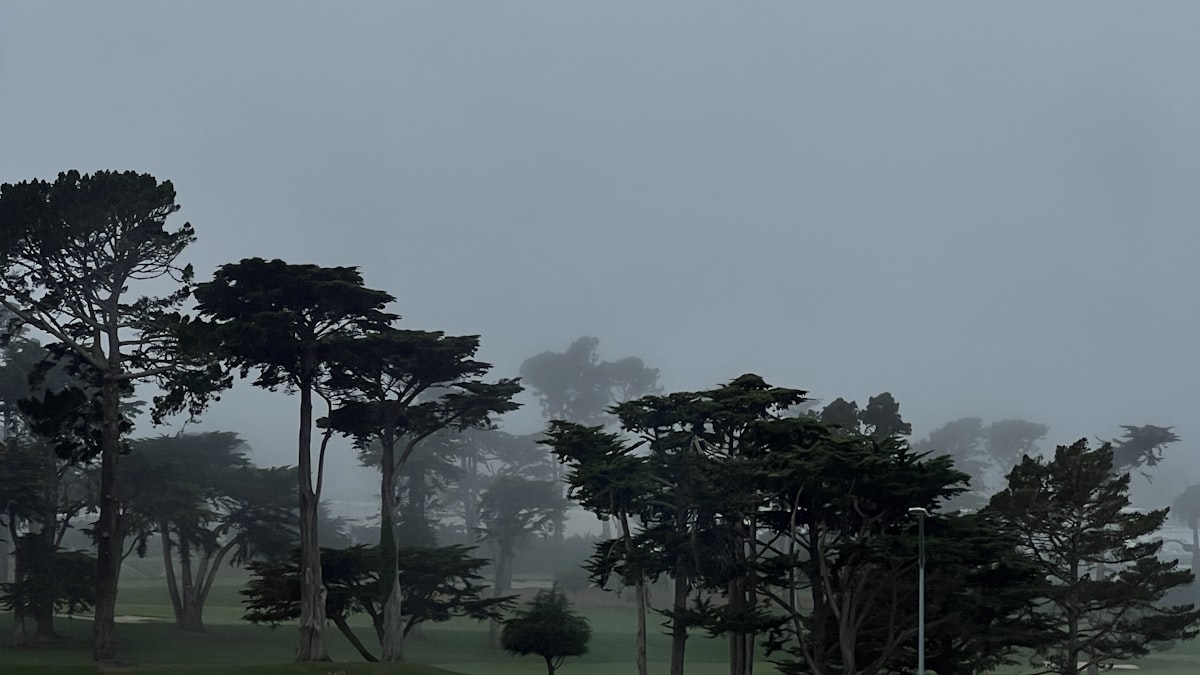

The Snake Pit: Three Holes That Decide Everything at the Valspar
The Valspar Championship tees off Thursday at Innisbrook Resort, and for 15 holes the Copperhead Course will test the field with tight fairways, 74 bunkers, and an average driving distance 12 yards shorter than the Tour norm. Good luck out there. But none of that matters as much as what happens at the end.
Holes 16, 17, and 18. The Snake Pit.
Since 2000, the Snake Pit has played a combined 4.978 over par while the other 15 holes score at just plus-2.6. No Valspar winner has ever played these three holes better than even par. Not once.
That stat alone tells you something about what this stretch does to a leaderboard. It doesn't reward the best player. It punishes everyone and waits to see who bleeds the least.
Moccasin bites first
The 16th hole carries the name "Moccasin," and it's earned it. At 460 yards, this par 4 ranks as the hardest hole on the course and one of the hardest on Tour, period. Water runs down the right side. Trees choke the left. The fairway demands a controlled fade into a landing area that feels like a bowling lane.
Since 2000, only eight players have played the 16th at two-under or better for the week. Eight. In over two decades of tournaments.
The problem isn't just the tee shot, though the tee shot is brutal. The approach has to find a green that rejects anything without the right trajectory and spin. Miss the green here and you're scrambling for bogey with two holes left and a tournament on the line.
This is where Ernie Els lost the 2012 Valspar. He missed a five-footer for par on 16, then shoved a 4-iron at 17. Two holes, tournament gone. That's how fast the Snake Pit works.
The Rattler doesn't care about your lead
Hole 17 is called "The Rattler," and at 215 yards it's one of the longest and nastiest par 3s the Tour plays all year. Uphill, narrow, with trouble everywhere if you miss the green. The numbers are grim: 58.3% of players finish over par here.
More than half the field. Over par. On a single hole.
A 215-yard par 3 with a small green sounds manageable on paper. In practice, with the wind swirling and a three-shot lead evaporating behind you, it's the kind of hole where a 5-iron that starts drifting two yards right ends up in a place where par becomes a prayer.
Jordan Spieth knows both sides of the Rattler. In 2015, he manufactured three consecutive par saves through the entire Snake Pit just to reach a playoff, then buried a 30-footer at the 16th in extra holes to win. Charl Schwartzel birdied 17 in 2016 to force his own playoff against Bill Haas. The Rattler gives you nothing for free, but it occasionally rewards the bold.
The Copperhead closes the door
The 18th hole shares its name with the course itself, and it finishes the job. A 445-yard par 4 with an all-uphill approach to a tucked green. Trees line both sides of the fairway. The second shot plays longer than its yardage suggests because you're hitting uphill into a green protected by bunkers.
Only 35.1% of players have played the 18th at par or better since 2000. Think about that. A par 4 where two-thirds of the field makes bogey or worse.
Last year, Viktor Hovland played the Snake Pit at one-under to beat Justin Thomas by a shot. That one-under finish through 16, 17, and 18 counted as something close to a miracle given what those holes typically produce.
Why the Snake Pit works
Larry Packard designed the Copperhead Course in 1974 and lived at Innisbrook for over 40 years. He built more than 600 courses in his career and died at 101. His design philosophy was simple: "I want him to use all the clubs in his bag. Every hole is different. Different length, different shape."
The Snake Pit is the purest expression of that idea. A 460-yard par 4 that demands a fade off the tee and precision iron play. A 215-yard par 3 that requires a long iron or hybrid struck perfectly. A 445-yard uphill par 4 that asks for one more great drive and one more committed approach when your arms and your nerve are both running on fumes.
Three consecutive holes. Three different tests. Driver, long iron, driver, mid-iron, all of it filtered through the pressure of a tournament finish. You can't hide a weakness in the Snake Pit. If your long game is off, the Rattler exposes you. If your iron play is shaky, Moccasin eats you alive. If your legs are gone and your swing gets loose on 18, the Copperhead sends you home.
What amateurs can steal from this
You probably won't play the Copperhead Course during tournament week. But you can play it any other week. It's a resort course open to guests at Innisbrook.
Even if Innisbrook isn't on your list, the Snake Pit teaches something about course management that applies anywhere. The best closers on Tour don't suddenly become more talented on the final three holes. They become more disciplined. They aim for the fat part of the green on 17 instead of chasing a tucked pin. They take their par on 16 and move on. They don't try to birdie 18 when par wins the tournament.
The lesson is boring but true: the players who survive the Snake Pit are the ones who accept what the holes give them. Spieth didn't try to birdie his way through in 2015. He scraped three pars out of three holes that wanted to hand him bogeys, and he won the tournament in a playoff.
Next time you're standing on the 16th tee at your home course with a good round going, remember the Snake Pit. Play the hole in front of you. Take what it gives you. And don't let three bad holes erase fifteen good ones.